Next-Generation Ceramics: Unlocking Superior Properties for Industry

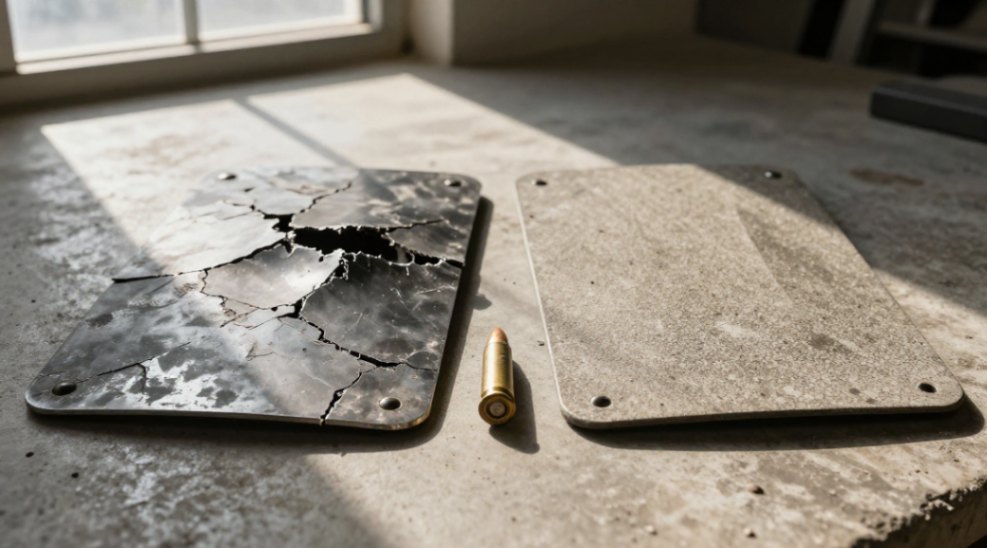
The Iraqi heat was a solid thing. I was checking a plate carrier. The sergeant major slapped the steel plate inside. “Trust this more than my mother,” he grunted. The weight was punishing. A month later, a new lieutenant arrived with boron carbide ceramic plates. They were half the weight. The old-timers scoffed. “Fancy ceramic.” Then the range tests happened. The boron carbide ate 7.62x51mm NATO rounds and asked for seconds. The steel plate? A single hit created a massive, lethal backface deformation. That day, an industry myth died. Weight does not equal protection.
The Boron Carbide Edge: Not Just Harder, Smarter
Boron carbide (B4C) isn’t just another ceramic. It is the third hardest material on earth, right behind diamond and cubic boron nitride. In body armor, this translates to a simple, brutal fact: it shatters incoming rifle rounds on contact. The mechanism is elegant violence. A high-velocity projectile strikes the plate’s ceramic strike face. The extreme hardness of the boron carbide immediately blunts the bullet’s tip, eroding its copper jacket and lead core into dust. This action absorbs and disperses the kinetic energy laterally across the plate’s surface. The bullet doesn’t penetrate. It disintegrates. The fragmented remains are caught by the layered composite backing plate, which absorbs the remaining energy and prevents spalling. This two-part system-a brittle, hard front and a ductile, tough back-is the genius of modern ceramic armor. Boron carbide performs this dance better than any other affordable ceramic because it starts the erosion process microseconds faster, thanks to its supreme hardness.
The Real-World Decision: Boron Carbide vs. The Alternatives
Choosing armor is a trade-off. You balance protection, weight, cost, and profile. Let’s strip away the sales brochures.
Boron Carbide Ceramic Plates
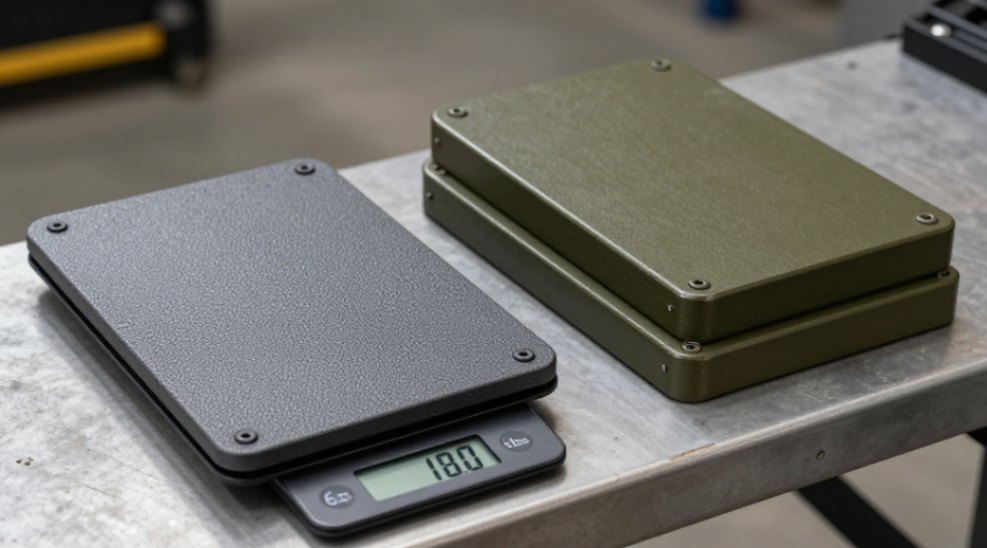
- Pros: Unmatched hardness-to-weight ratio. The lightest solution for NIJ Level III and IV threats. Multi-hit capability on modern mosaic designs. Drastically reduces wearer fatigue and increases mobility.
- Cons: Highest cost. Brittle nature requires careful handling. Can be damaged by drops on hard corners. Must be replaced after a significant impact, even if no penetration occurs.
Steel Plates
- Pros: Low cost. Extremely durable against drops and mishandling. Thin profile.
- Cons: Crippling weight. Spalling hazard requires a built-up or laminate coating, adding weight. Catastrophic backface deformation-the steel bends inward violently upon impact, potentially causing blunt trauma even without penetration. A single significant hit usually renders the plate structurally compromised.
Alumina (Aluminum Oxide) Ceramic Plates
- Pros: More affordable than boron carbide. Good multi-hit capability. Proven technology.
- Cons: Significantly heavier than boron carbide for the same protection level. Less efficient against the highest-tier threats, requiring thicker plates.
The Investment You Can’t Measure in Dollars
Yes, a single boron carbide ceramic plate can cost as much as a full set of steel. This is not an extravagance. It is physics. The weight savings directly correlate to survivability. A lighter plate carrier means you can move faster, take cover quicker, and sustain operational tempo longer. It means your cardiovascular system isn’t fighting 20 pounds of dead steel on your chest. For military, law enforcement, or responsible civilians, this isn’t gear. It is a critical performance multiplier. The industry knows this. A 2022 market analysis by Armor Research Group indicated a 40% year-over-year shift in procurement specifications towards advanced ceramics, with boron carbide leading for special operations units where weight is the ultimate currency. As one SOF armor put it, “I’ll pay any price to shave a pound. That pound might be the one that gets me home.”
Living With Boron Carbide: The Operator’s Reality
This armor demands respect. You cannot treat it like a steel target. Store it flat. Avoid impacts to the edges. Inspect it regularly for hairline cracks or chips. The composite backing is your tell. Significant backface deformation signals an internal ceramic fracture. The plate may have saved your life once, but its job is done. Replace it. This fragility is its only true weakness-a fair trade for its lifesaving performance. Leading manufacturers like Hesco, Ceradyne (now part of 3M), and Safariland have refined designs to maximize multi-hit coverage and edge integrity, often using a mosaic of smaller hexagonal tiles to contain damage.
Your decision is clear. If your threat environment includes high-velocity rifle rounds, and your mission depends on agility, boron carbide ceramic ballistic plates are the only logical endpoint. They represent the pinnacle of protective materials science applied to personal armor. The initial cost is high. The long-term value-measured in mobility, confidence, and life-is incalculable. Start your evaluation by scrutinizing NIJ 0101.06 certification lists. Look for models that specify boron carbide strike faces. Handle them. Feel the weight difference. Your back and your instincts will thank you.
Suppiler
Synthetic-chemical focus on the research and development, production and sales of ceramic products, serving the electronics, ceramics, chemical and other industries. Since its establishment in 2015, the company has been committed to providing customers with the best products and services, and has become a leader in the industry through continuous technological innovation and strict quality management.
Our products includes but not limited to Aluminum Nitride, Aluminum Oxide, Boron Carbide, Boron Nitride, Ceramic Crucible, ect. If you are interested in any type of these, please feel free to contact us.