Next-Generation Ceramics: Unlocking Superior Properties for Industry

What Is Aluminum Oxide Ceramic?
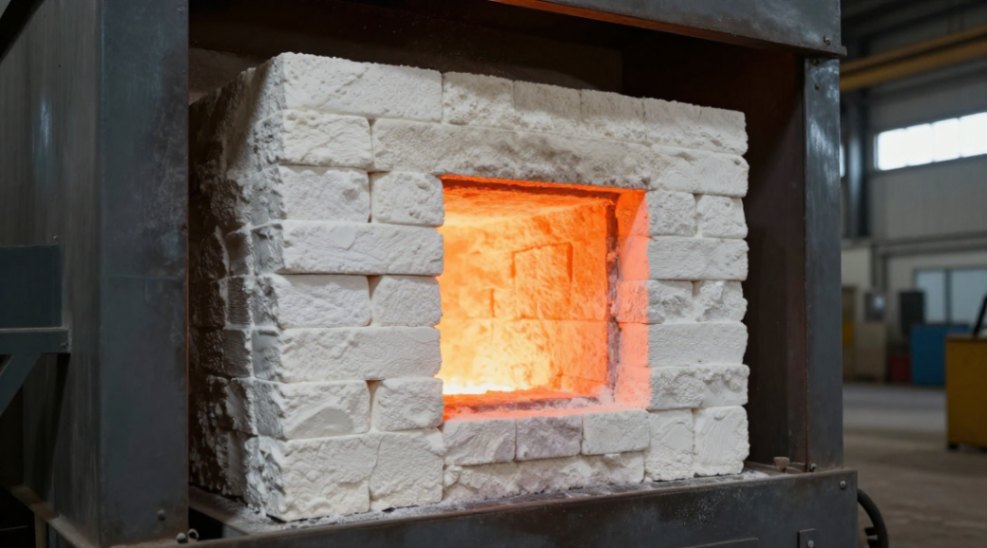
Did you know the high-temperature furnace lining used in steel production often relies on a ceramic that is, by weight, over 99% pure oxygen and aluminum? This fact surprises many, but it reveals the elegant simplicity behind a material that shapes modern industry: aluminum oxide ceramic.
With over two decades of experience specifying and working with advanced ceramics, I’ve seen aluminum oxide solve problems where metals and polymers fail. My goal is to guide you through its core concepts. Let’s build your understanding from the ground up.
The Core Definition and Composition
At its most basic, aluminum oxide ceramic is a high-performance technical ceramic primarily composed of aluminum and oxygen atoms in a tightly bonded crystalline structure. Its chemical formula is Al₂O₃.
- Primary Composition: It starts with a fine, white powder—alumina. Manufacturers then form and sinter this powder at extremely high temperatures, creating a dense, polycrystalline solid.
- The Bonding Difference: Unlike metals with free electrons, the ionic/covalent bonds in alumina create a very stable lattice. This structure is the source of its remarkable properties.
Why Engineers Choose Alumina: Key Properties
You select a material based on what it can do. Here’s what alumina delivers consistently.
- Exceptional Hardness & Wear Resistance: Alumina ranks 9 on the Mohs scale, just below diamond. It resists abrasion from powders, slurries, and friction far better than most steels.
- Superior Electrical Insulation: Its high electrical resistivity and dielectric strength make it the standard for insulators in everything from spark plugs to circuit board substrates.
- Excellent Chemical Inertness: It withstands attack from strong acids, alkalis, and molten metals, perfect for harsh chemical environments.
- Good High-Temperature Performance: Alumina maintains its strength and shape at temperatures up to 1700°C, ideal for furnace fixtures and thermocouple tubes.
- High Compressive Strength: It can bear immense crushing loads, though its tensile strength is more moderate.
As a senior engineer from a leading thermal processing firm once told me, “For predictable performance in unpredictable environments, aluminum oxide ceramic is our first call.”
Understanding Grades and Purity: It’s Not Just One Material
The term ‘alumina’ covers a family of materials. The purity level, typically from 85% to over 99.9%, dictates performance.
Common Alumina Grades
- 96% Alumina: The workhorse. It offers an outstanding balance of properties and cost-effectiveness for most industrial wear and insulator applications.
- 99.5% Alumina: Higher purity translates to better mechanical strength, thermal conductivity, and corrosion resistance. We use this for demanding semiconductor and high-vacuum applications.
- 99.9% Alumina (High-Purity): Used where absolute minimal contamination or maximum surface finish is critical, such as in advanced medical implants and some laser components.
How Is Aluminum Oxide Ceramic Made?
The manufacturing process transforms powder into robust parts.
- Dry Pressing: Powder is compressed in a rigid die. It’s fast and cost-effective for simple, high-volume shapes.
- Isostatic Pressing: Powder is compacted using equal pressure from all sides in a fluid-filled chamber. This creates highly uniform, complex parts with minimal flaws.
- Injection Molding: Powder is mixed with a binder and injected into a mold. This is the go-to method for producing intricate, net-shape components in high volumes.
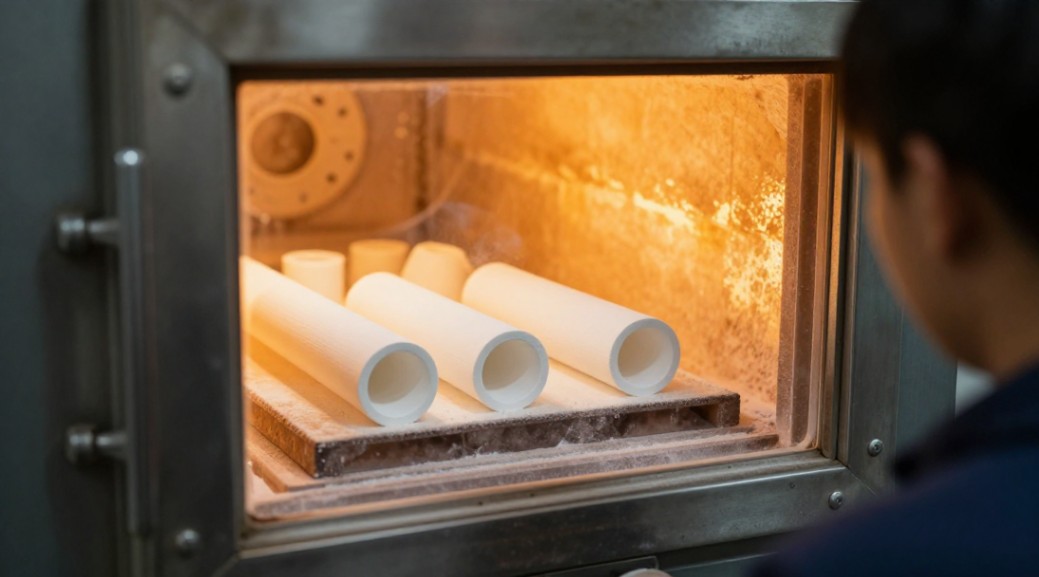
After forming, parts are sintered in a furnace at 1600°C–1800°C. This densifies the material, achieving its final strength.
Where You’ll Find Alumina in Action: Major Applications
Its versatility is its superpower. Let’s break down its roles.
1. Industrial Wear and Components
- Pump seals and wear plates that last years instead of months.
- Blast nozzles and liners that handle abrasive media.
- Cutting tool inserts (often blended with other ceramics) for machining hard metals.
- Abrasive media itself, used in sandpapers and grinding wheels.
2. Electrical and Electronic Insulation
- Substrates for thick- and thin-film circuits.
- Insulating housings for high-voltage equipment.
- Critical parts in spark plugs and ignition systems.
3. Medical and Biomedical Fields
- Biocompatible components for orthopedic and dental implants.
- Precision lab equipment like crucibles and tubes that won’t contaminate samples.
- Surgical instrument tips where sharpness and sterility are paramount.
4. High-Temperature and Thermal Management
- Kiln furniture, setter plates, and furnace tubes.
- Thermocouple protection sheaths in molten metal.
- Heat sinks and insulators in high-power electronics.
How Does Alumina Compare to Other Advanced Ceramics?
Choosing the right ceramic means knowing the alternatives. Here’s a quick comparison.
- vs. Zirconia (ZrO₂): Zirconia is much tougher (fracture resistant) and has higher strength, but alumina is harder, more wear-resistant, and significantly less expensive.
- vs. Silicon Nitride (Si₃N₄): Silicon nitride offers superior thermal shock resistance and fracture toughness, ideal for engine components. Alumina provides better electrical insulation and chemical resistance at a lower cost.
- vs. Silicon Carbide (SiC): Silicon carbide has higher thermal conductivity and extreme temperature capability, but alumina is a better electrical insulator and is easier to manufacture into complex shapes.
- vs. Aluminum Nitride Ceramic (AlN): Aluminum nitride excels in thermal conductivity for electronics cooling. Alumina is the standard for electrical insulation where high heat transfer is less critical.
Your Guide to Material Selection and Machining
As your supportive guide, I want you to succeed. Follow this thinking process.
Critical Selection Factors
- Define the Primary Failure Mode: Is it wear, corrosion, electrical breakdown, or thermal shock?
- Quantify the Environment: Exact temperatures, chemicals, pressures, and load types.
- Consider Precision and Finish: Do you need a tight-tolerance, lapped surface, or is an as-fired finish acceptable?
- Balance Performance with Budget: Often, a 96% alumina part performs perfectly, saving cost versus a 99.5% grade.
A practical step here is to consult with an experienced ceramic component manufacturer. They can help you navigate these choices, and often, they provide prototypes for testing. This collaboration ensures the final aluminum oxide ceramic part is optimized for your specific need.
Machining Considerations
Alumina is very hard. You must machine it in the sintered state with diamond tools.
- Grinding, lapping, and ultrasonic machining are standard.
- Design for minimal machining to control costs.
- Discuss tolerances and surface finishes early with your fabricator.
The Future of Aluminum Oxide Ceramic
Alumina isn’t standing still. Industry reports point to growing demand in new energy and additive manufacturing.
- Its role in lithium-ion battery production is expanding for corrosion-resistant parts.
- As a feedstock for 3D printing, it enables complex, monolithic ceramic structures previously impossible to mold.
- Nano-engineered alumina coatings are enhancing surface properties of other materials.
- It continues to be a critical baseline material against which newer ceramics like reaction-sintered silicon carbide or boron nitride are compared.
Aluminum oxide ceramic remains a cornerstone of materials engineering. Its proven reliability, versatile properties, and evolving applications make it a smart choice for engineers solving tough problems. Start your next design review by asking, “Could alumina work here?” The answer will often be a resounding yes.
Suppiler
Synthetic-chemical focus on the research and development, production and sales of ceramic products, serving the electronics, ceramics, chemical and other industries. Since its establishment in 2015, the company has been committed to providing customers with the best products and services, and has become a leader in the industry through continuous technological innovation and strict quality management.
Our products includes but not limited to Aluminum Nitride, Aluminum Oxide, Boron Carbide, Boron Nitride, Ceramic Crucible, ect. If you are interested in any type of these, please feel free to contact us.